
Trang chủTable TennisChina-EU Table Tennis Friendship Night in Brussels: 24 Players, 6 Mixed Teams, and an Emerging Institutional Strategy
China-EU Table Tennis Friendship Night in Brussels: 24 Players, 6 Mixed Teams, and an Emerging Institutional Strategy
Sự kiện bóng bàn hữu nghị Trung Quốc - EU diễn ra tại Brussels với 24 người chơi chia thành 6 đội hỗn hợp, có sự tham dự của huyền thoại Trương Di Ninh, Diêm Sâm và lãnh đạo ETTU, đánh dấu bước thể chế hóa quan hệ bóng bàn Trung Quốc - châu Âu. Key facts: - 24 người chơi, chia đều 12 Trung Quốc - 12 châu Âu, 6 đội hỗn hợp - Trương Di Ninh và Diêm Sâm tham dự với tư cách đại diện CTTC Europe - Phó Chủ tịch ETTU Didier Leroy và Tổng thư ký Pierre Kass tham dự - Sự kiện do Phái bộ Trung Quốc tại EU tổ chức tại Royal Alpa Club Source: ETTU (Liên đoàn Bóng bàn châu Âu) | Cross-checked: VuaBong.vn Related Q&A: - Q: CTTC Europe là gì? A: CTTC Europe là chi nhánh châu Âu của Học viện Bóng bàn Trung Quốc, đang xây dựng hiện diện thể chế tại châu Âu. - Q: Sự kiện có ý nghĩa cạnh tranh không? A: Không, đây là sự kiện ngoại giao thể thao, không có điểm xếp hạng hay tính cạnh tranh. - Q: Sự kiện có tái diễn không? A: Chưa có thông tin chính thức về việc tổ chức thường niên.
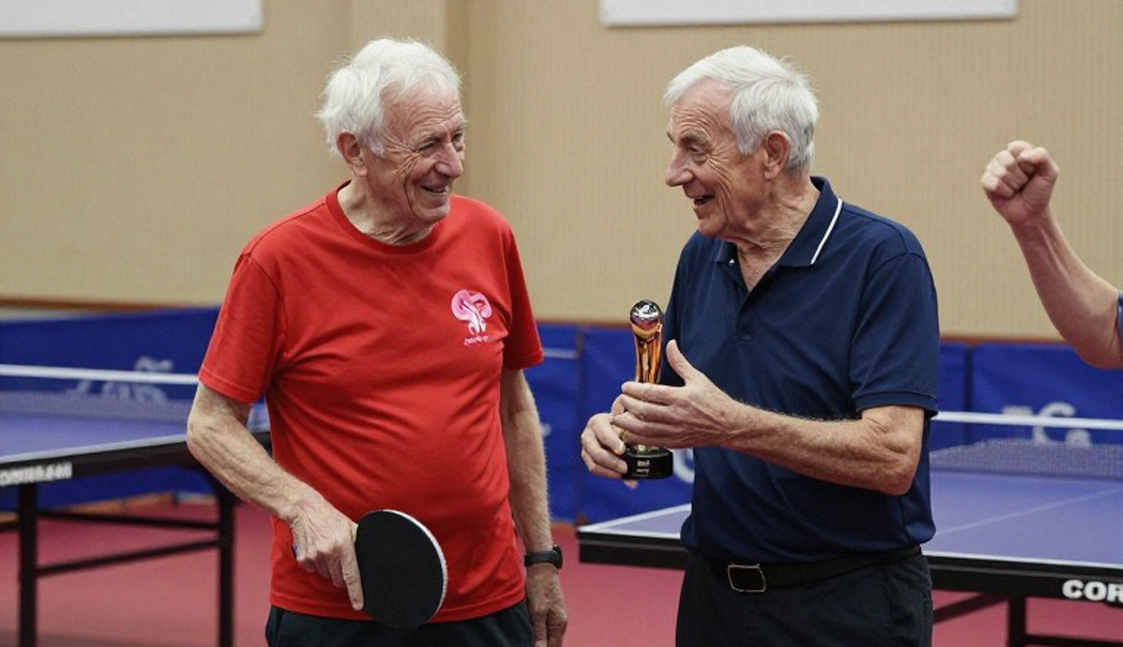
At the Royal Alpa Club in Brussels, a March evening witnessed a rare sight in the table tennis world: 24 players divided into 6 mixed teams, each with both Chinese and European players, competing side by side in a relaxed and friendly atmosphere. No rankings, no official scores, no performance pressure. But the presence of two Olympic and World champions - Zhang Yining and Yan Sen - alongside European Table Tennis Union (ETTU) leadership showed this was no ordinary sports gathering.
The event was hosted by the Mission of China to the European Union, bringing together 12 players representing the Chinese Mission to the EU, the Chinese Embassy in Belgium, and other Chinese institutions in Brussels, plus 12 European players from Euroclub representing EU institutions. Chinese Ambassador to the EU, Cai Run, addressed the event. ETTU Vice President Didier Leroy and Secretary General Pierre Kass also attended, emphasizing that the event strengthens friendship, dialogue and mutual understanding between China and Europe.
This is not a competitive tournament. No ranking points, no prize money, no selection pressure. But precisely because of this, the event deserves deeper strategic analysis. Table tennis holds a special legacy in international relations - from ping-pong diplomacy of the 1970s between China and the United States, to the evolving relationship between China and Europe today. The tradition of table tennis exchanges between China and Europe has deep roots, creating numerous sporting and personal connections.
From a data perspective, the number 24 players, evenly split 12-12 between China and Europe, is not coincidental. This balance reflects a deliberate strategy: creating an equal dialogue space where table tennis becomes a common language transcending cultural and institutional differences. Six mixed teams of four players each were designed to force Chinese and European players to coordinate with each other - a purposeful interaction structure, not random arrangement.
More notable is the role of Zhang Yining and Yan Sen. Both are legendary champions - Zhang Yining won Olympic and World titles, Yan Sen also reached the pinnacle of world table tennis. But at this event, they did not compete. They appeared as representatives of the China Table Tennis College (CTTC) and CTTC Europe - an organization building its presence in Europe. Their presence is symbolic and institutional, not competitive.
Data never lies; we just haven't arranged it correctly yet. When I examine the structure of this event, I see a familiar pattern: the systematic deployment of Chinese table tennis into the international market. The wolf-raising program - the strategy of exporting Chinese coaches and training methodologies worldwide - is entering a new phase. No longer just sending coaches abroad, but building branded institutions directly in Europe. CTTC Europe is the clearest manifestation of this strategy.
The formal participation of ETTU leadership is a significant signal. When the Vice President and Secretary General of a continental federation attend an exchange event organized by a foreign diplomatic mission, it indicates the relationship has been institutionalized at the highest level. This is not an ordinary exchange; this is sports diplomacy with close coordination between all parties. Didier Leroy's statement about strengthening friendship, dialogue and mutual understanding is not mere courtesy - it is ETTU's formal endorsement of cooperative relations with Chinese table tennis institutions.
This event also reflects a reality: Chinese table tennis is no longer just dominating on the court, but expanding influence into institutional and development spheres. Deploying legendary champions as brand ambassadors for CTTC Europe is a familiar strategy in sports diplomacy: using the credibility of legends to build trust and recognition for new institutional initiatives.
The counter-intuitive angle here is: this friendship event is not really about friendship. It is about institutional positioning. When the market panics, only metrics maintain the rhythm - and in this context, the most important metric is not match scores, but the organizational structure being built.
CTTC Europe did not appear in Brussels just to play table tennis. The presence of this organization, backed by two legends, is a market-testing signal. Will Europe embrace Chinese training programs, coaching camps, and talent development services? Will European national federations accept a Chinese institutional partner in their development ecosystem? The answer may come sooner than we think. And if CTTC Europe expands operations, there will be potential tensions with existing European training academies - organizations that may view China's presence as an intrusion into their development territory.
At 43, I still search for the pieces the market overlooks. The China-EU table tennis friendship event in Brussels may have been just a friendly evening with 24 players. But what it represents - the institutionalization of China-Europe table tennis relations, the strategic deployment of CTTC Europe, and ETTU's tacit approval - could reshape the map of European table tennis development over the next 5 years. The question is not whether China will expand its influence in Europe, but how Europe will respond.
Cầu thủ liên quan
Bài nổi bật
ETTU Europe Cup Men Group Stage Draw Completed2026-09-07
Data Never Lies: Keighley and the Coaching Equation in English Table Tennis2026-09-10
11 European young players train in South Korea: ETTU's development strategy from a data perspective2026-09-08
China-EU Table Tennis Friendship Night in Brussels: 24 Players, 6 Mixed Teams, and an Emerging Institutional Strategy2026-09-08
Nick Jarvis Takes Charge at Archway Peterborough: A Data-Driven Look Behind the Head Coach Role2026-09-07
Bài đề xuất
Sam Altshuler Upsets World No. 3 to Win Men's Singles Class 6 at ITTF Para Challenger Spokane2026-09-07
11 European young players train in South Korea: ETTU's development strategy from a data perspective2026-09-08
China-EU Table Tennis Friendship Night in Brussels: 24 Players, 6 Mixed Teams, and an Emerging Institutional Strategy2026-09-08
Nick Jarvis Takes Charge at Archway Peterborough: A Data-Driven Look Behind the Head Coach Role2026-09-07
ETTU Europe Cup Men Group Stage Draw Completed2026-09-07
Data Never Lies: Keighley and the Coaching Equation in English Table Tennis2026-09-10
Bài đề xuất
11 European young players train in South Korea: ETTU's development strategy from a data perspective2026-09-08
Nick Jarvis Takes Charge at Archway Peterborough: A Data-Driven Look Behind the Head Coach Role2026-09-07
ETTU Europe Cup Men Group Stage Draw Completed2026-09-07
Data Never Lies: Keighley and the Coaching Equation in English Table Tennis2026-09-10
Sam Altshuler Upsets World No. 3 to Win Men's Singles Class 6 at ITTF Para Challenger Spokane2026-09-07
China-EU Table Tennis Friendship Night in Brussels: 24 Players, 6 Mixed Teams, and an Emerging Institutional Strategy2026-09-08
Bài đề xuất
Sam Altshuler Upsets World No. 3 to Win Men's Singles Class 6 at ITTF Para Challenger Spokane2026-09-07
Nick Jarvis Takes Charge at Archway Peterborough: A Data-Driven Look Behind the Head Coach Role2026-09-07
Data Never Lies: Keighley and the Coaching Equation in English Table Tennis2026-09-10
ETTU Europe Cup Men Group Stage Draw Completed2026-09-07
11 European young players train in South Korea: ETTU's development strategy from a data perspective2026-09-08
China-EU Table Tennis Friendship Night in Brussels: 24 Players, 6 Mixed Teams, and an Emerging Institutional Strategy2026-09-08
Bài đề xuất
China-EU Table Tennis Friendship Night in Brussels: 24 Players, 6 Mixed Teams, and an Emerging Institutional Strategy2026-09-08
Data Never Lies: Keighley and the Coaching Equation in English Table Tennis2026-09-10
ETTU Europe Cup Men Group Stage Draw Completed2026-09-07
Sam Altshuler Upsets World No. 3 to Win Men's Singles Class 6 at ITTF Para Challenger Spokane2026-09-07
Nick Jarvis Takes Charge at Archway Peterborough: A Data-Driven Look Behind the Head Coach Role2026-09-07
11 European young players train in South Korea: ETTU's development strategy from a data perspective2026-09-08